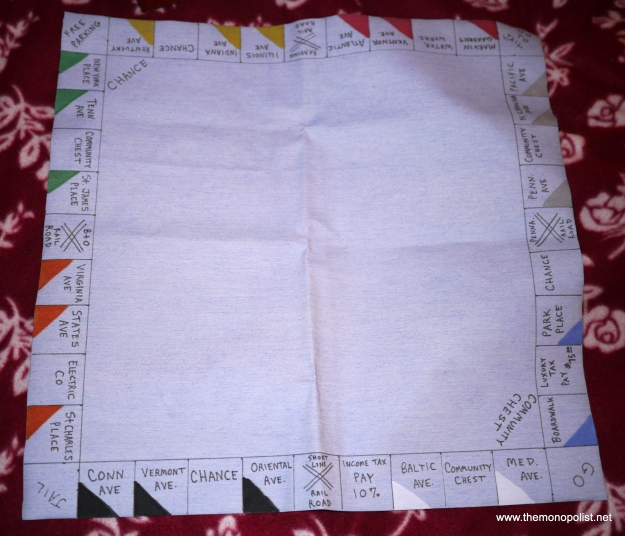
Here is a complete reproduction “Toddopoly” game set, inspired by the handmade Monopoly game owned by the late Charles Todd, who taught Charles Brace Darrow how to play the game. Darrow copied Todd’s game, and even had Todd type out rules for him.
The rest, as we know, is history. Darrow was not the first to try and market such a game, but he was the first one to do so successfully, and as a result, untold millions of Monopoly games have been sold.
Todd, already in his 80s, did testify in Dr. Ralph Anspach‘s Anti-Monopoly case, but his homemade Monopoly set itself was important evidence.
Because Todd’s set was of such great importance, I made six reproduction sets in 2008. Now, I have completed four more sets, with completely different components.
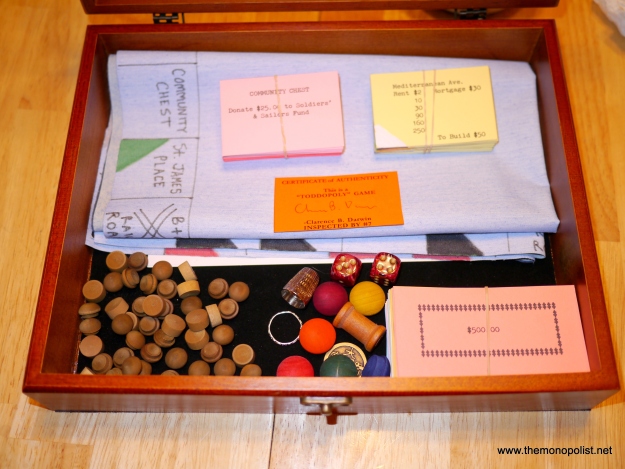
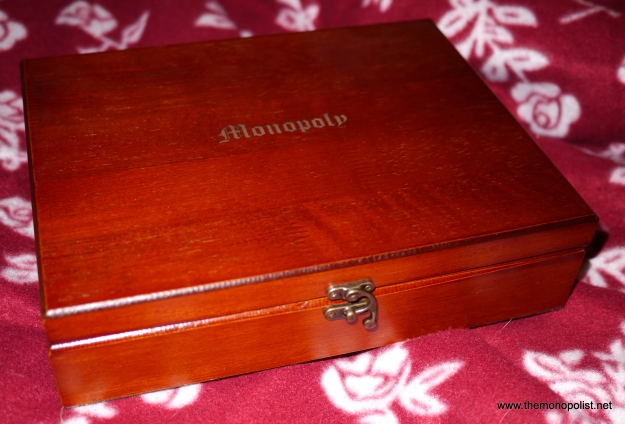
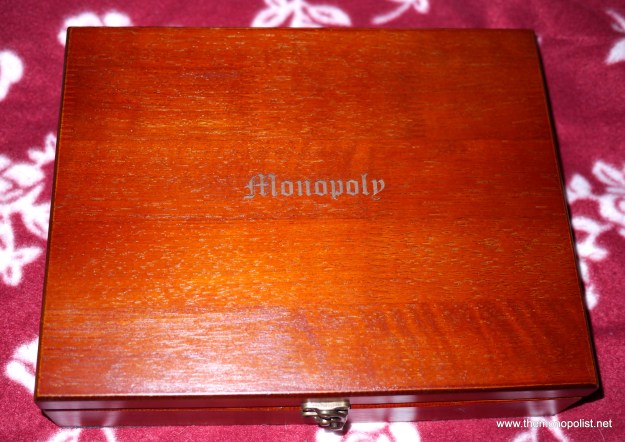
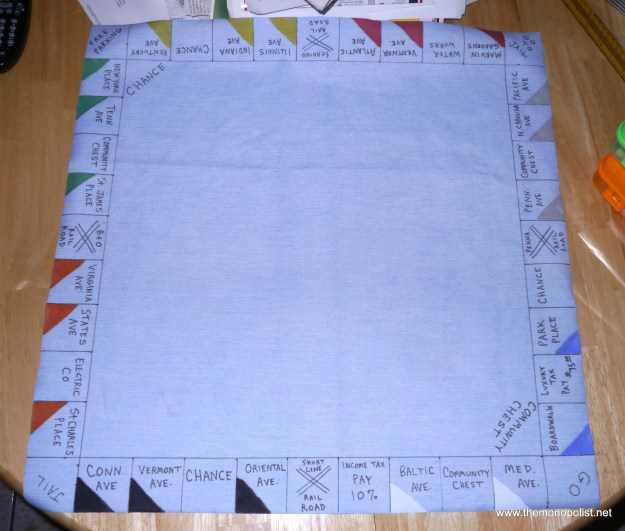
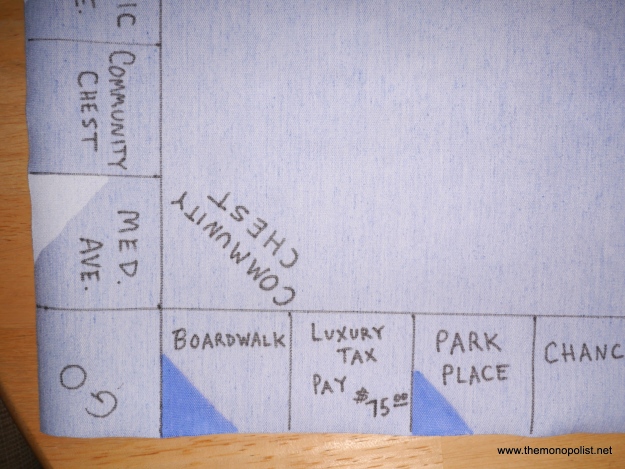
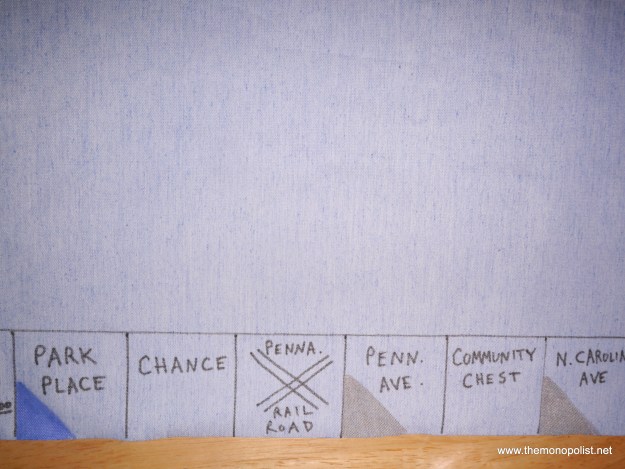
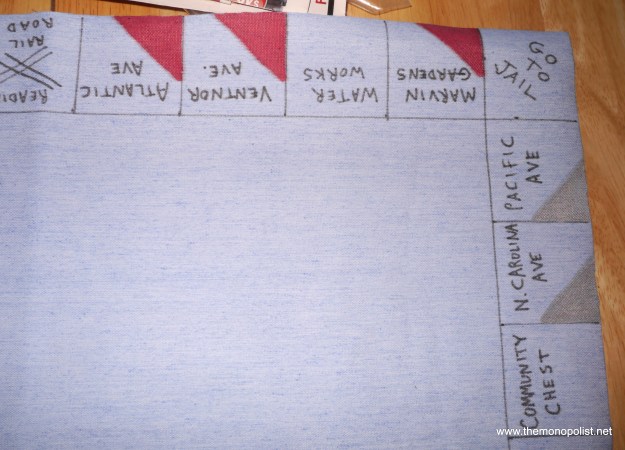
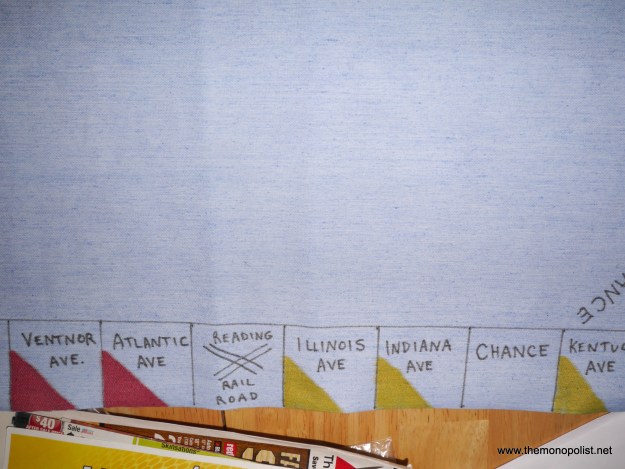
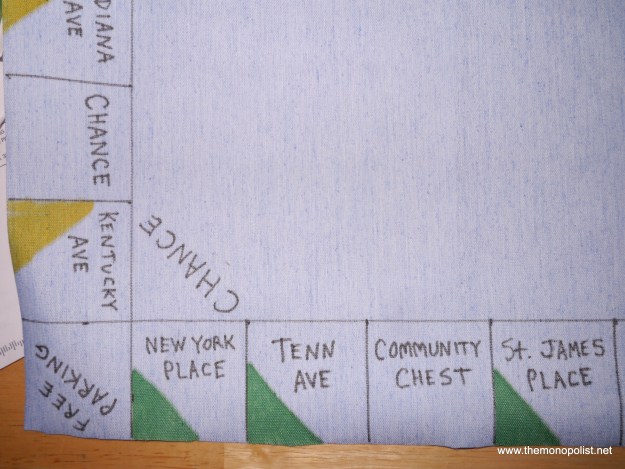
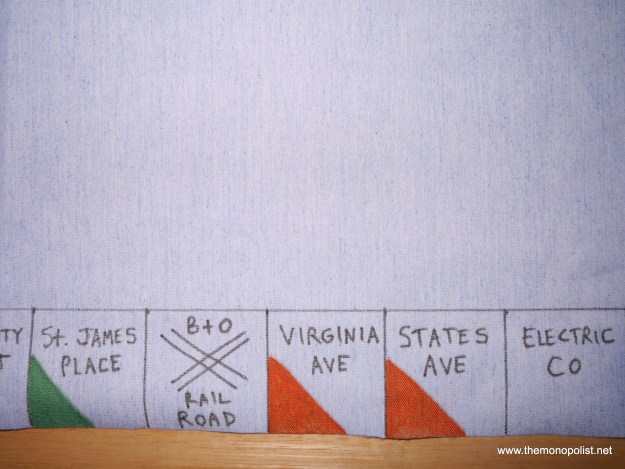
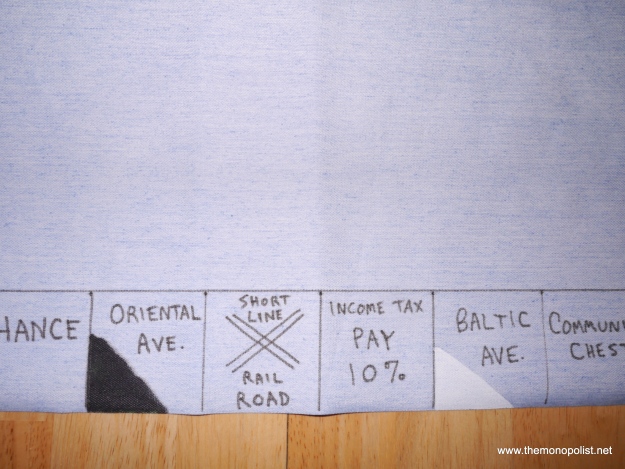
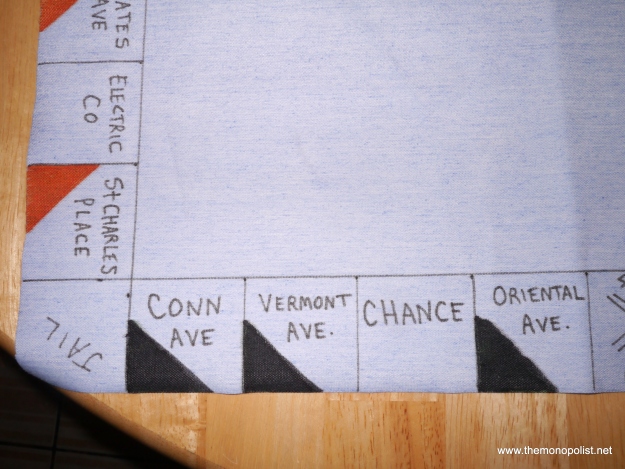
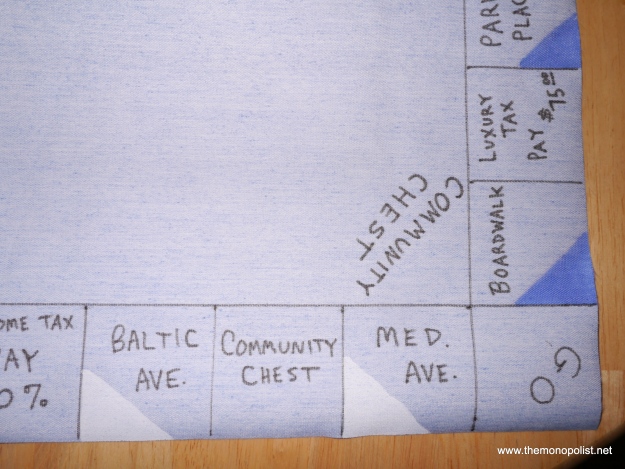
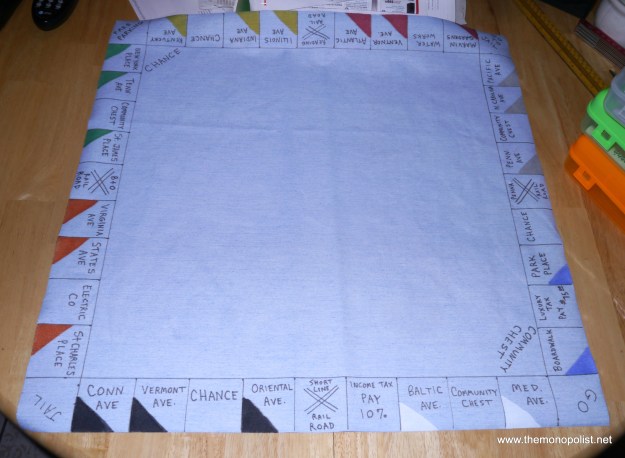
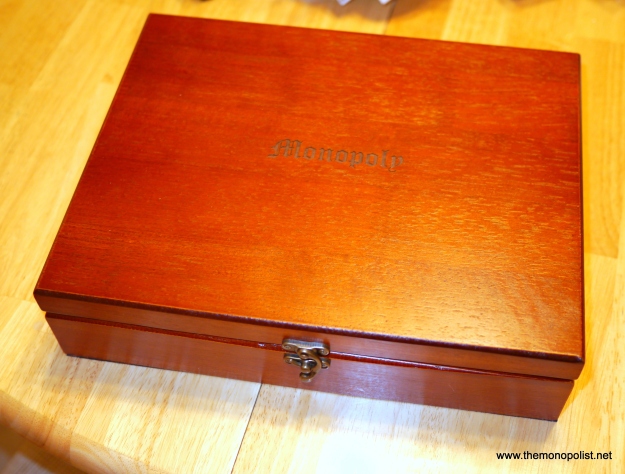
These new sets feature a very attractive wooden utensils box, with the word “Monopoly” engraved thereon. The game board itself is hand-drawn and colored on blackout cloth, which is closer to the original oilcloth Todd and others used than what passes for oilcloth today.
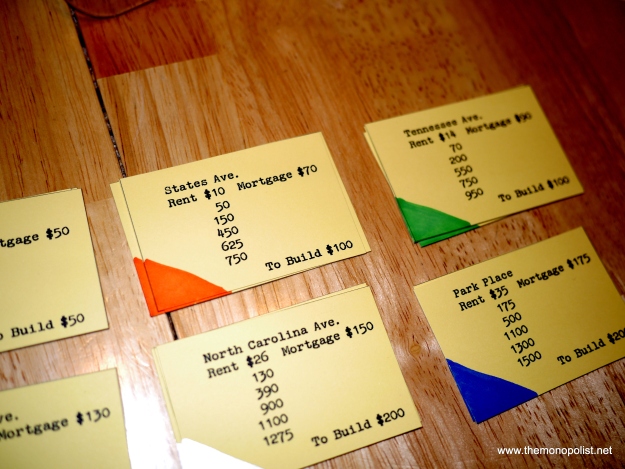
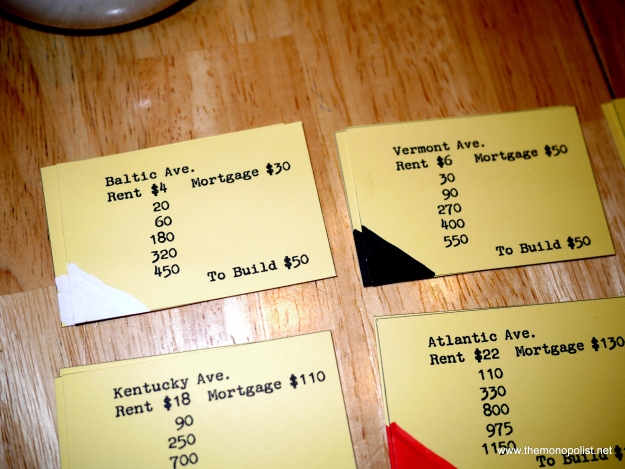
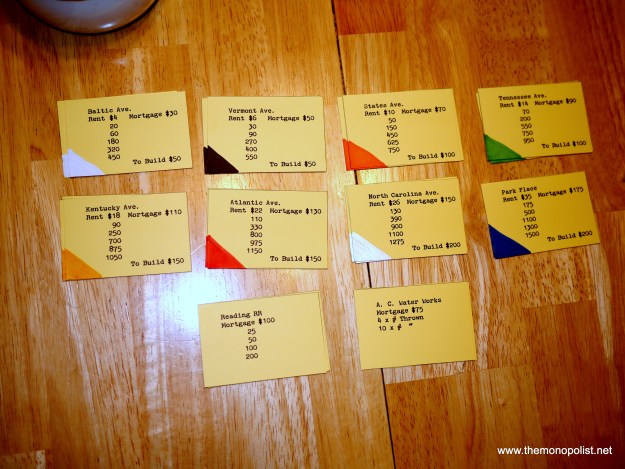
The game cards and play money are inspired both by what Todd used, and also what Darrow used in some of his earliest sets. In 2005, I classified the different types of Darrow play money as Type 1 and Type 2, and these terms have gone into wide use among Monopoly collectors ever since.
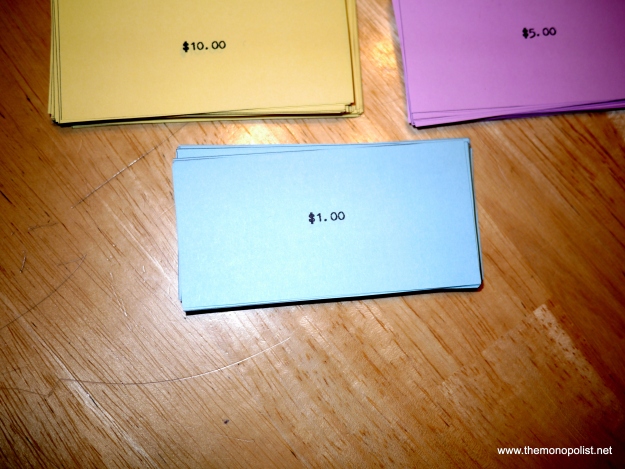
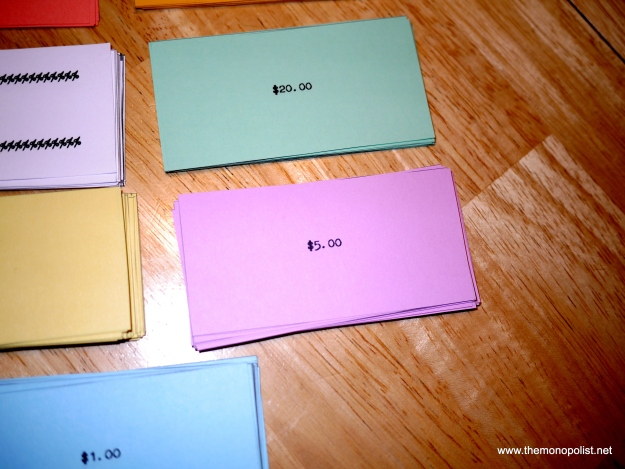
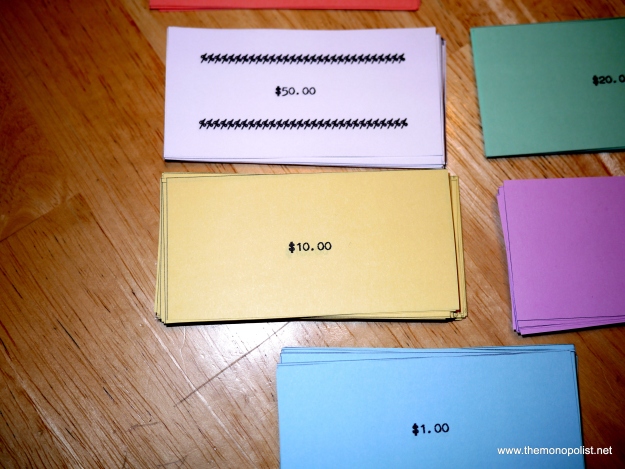
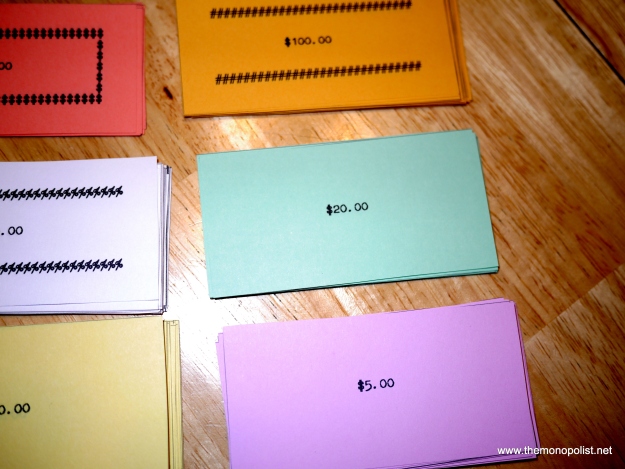
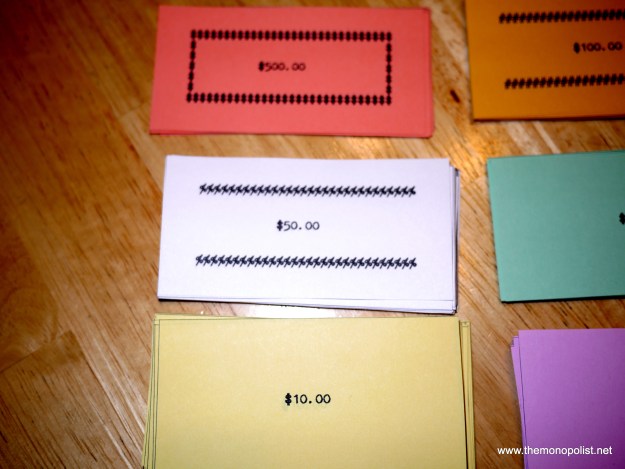
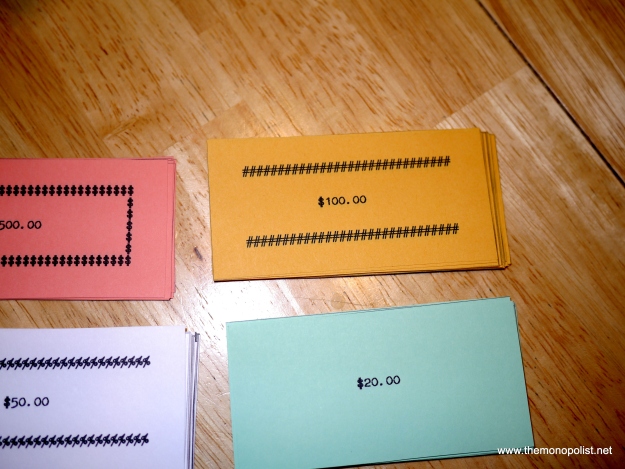
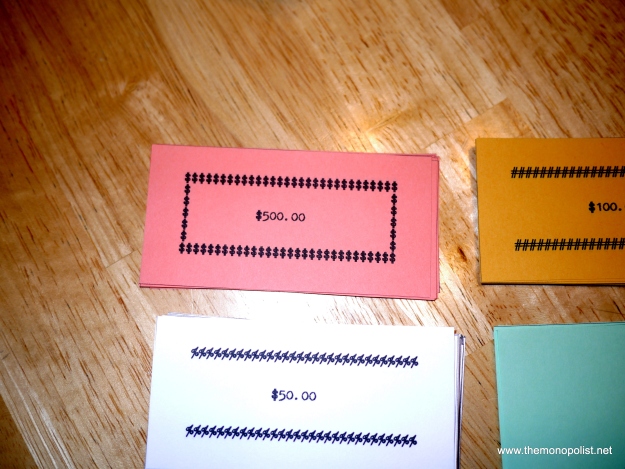
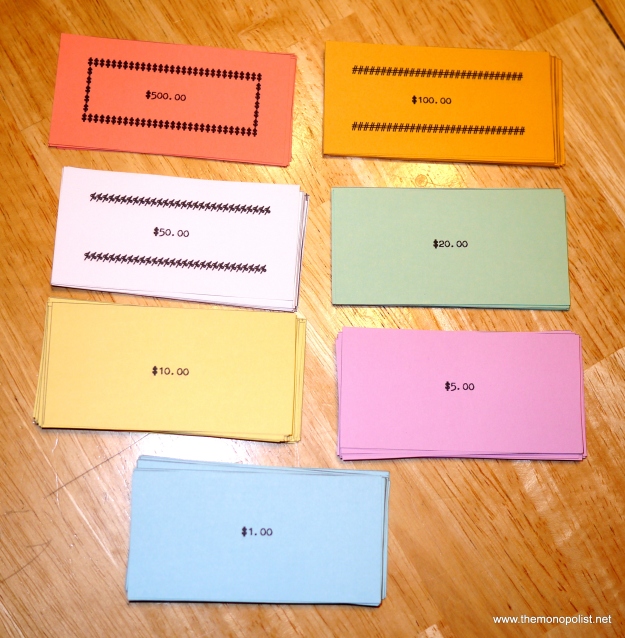
But it turns out there was an even earlier type of Darrow money, where the bills were individually made on a typewriter. That’s what I have tried to emulate here, and therefore, this is Darrow “Type Zero” scrip.
The idea behind this reproduction set is to be the sort of set that these early Monopoly players would have put into a dresser drawer and taken out once in a while for Monopoly parties.
Comparing Todd’s game and the early Darrow versions is instructive. Todd, essentially, put in the minimum amount of effort. His game board is square and has simple 2″ by 2″ squares on it, with very little in the way of ornamentation. His game cards were very simple and had minimal information on them.
Even on his first game board, on the other hand, Darrow tried to improve the game. The Darrow Round Board already has some of Darrow’s iconic cartoon illustrations on it, and the board itself would have been relatively difficult to create.
As his son William told me in 2005, Charles Darrow had some drafting experience and added the illustrations himself. Later on, he hired an artist to do additional work.
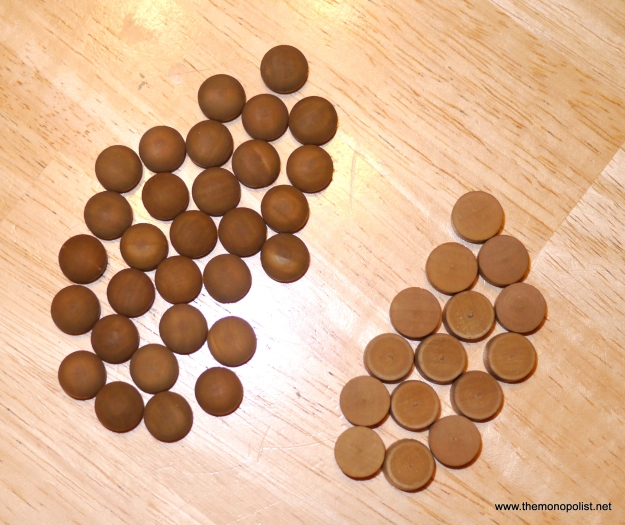
It would have been tempting to put 12 red hotels and 32 green houses into this set, but not historically accurate. The actual number of houses and hotels used in Monopoly was up to the individual, when all sets were handmade. It took some time before Darrow settled on these quantities. In one of his earliest oilcloth sets, he used 10 hotels and 44 houses. My assumption is that he changed this to the familiar amount since that was a nearly 20% reduction in the number of pieces he had to provide, while being functionally the same.
While it’s entirely possible that red and green had been used as house and hotel colors before Darrow (the 1932 Finance game had both red and green houses, although the rules did not explain the difference between them) the early game makers do not seem to have used these colors. So, for this game, we have 15 hotels and 30 houses, which are tan.
These four new Toddopoly sets are #7 through 10 in a limited series. The limited series now being complete, I won’t be making others that are exactly like this, but I may make a few more similar sets on special order.
It was difficult dying the blackout cloth blue without making an absolute mess, so any further boards I might make will be on white fabric.
I would say that these new Toddopoly sets are of overall higher quality construction than the originals were.
If you are interested in obtaining a set such as this, please contact me at:
folkopolypress@gmail.com
Thanks.
-Clarence B. Darwin
This set includes:
1- Wooden utensils box, with the word “Monopoly” engraved on it
1- 22″ by 22″ hand drawn and colored game board on blackout cloth, dyed blue
10- Game tokens, including six colored wooden pieces, metal thimble, ring, bobbin, foreign coin
2- dice
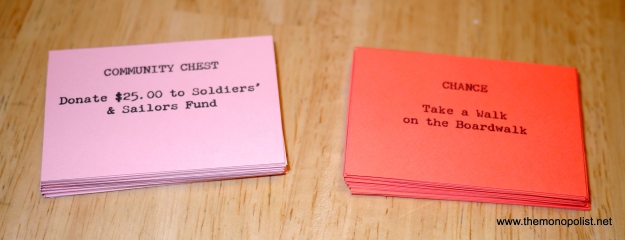
20- Community Chest cards, including four with special wording as used in the original Charles Todd set
16- Chance cards
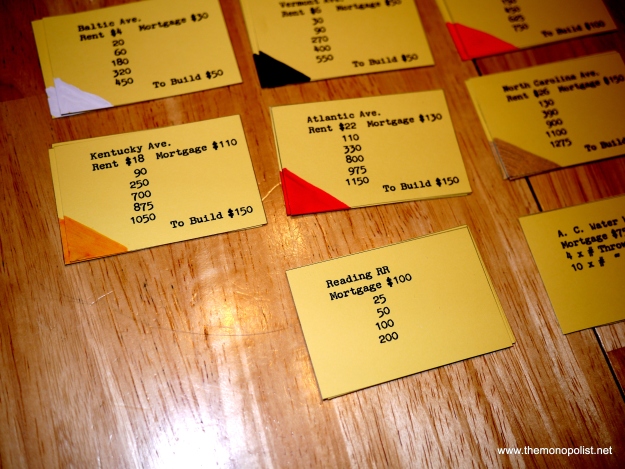
28- Property cards
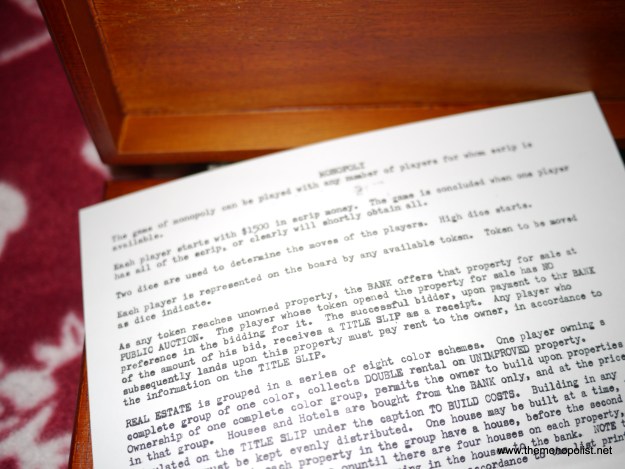
1- rules sheet (Charles Todd rules, as typed up by his secretary and given to Charles Darrow)
1- Certificate of Authenticity
15- Wooden Hotels
30- Wooden Houses
Darrow Type 0 scrip money as follows:
$1 x 60
$5 x 50
$10 x 60
$20 x 30
$50 x 30
$100 x 30
$500 x 10
A total of $11,010
Charles Todd’s original 1932 set sold for $26,250 at a Sotheby’s auction on December 17, 2010. Its whereabouts are unknown.
 .
.

 THE MONOPOLIST